

 Hrvatski
 Italiano
 Ελληνικά
 Français
Forex trading, or foreign exchange trading, has emerged as one of the most dynamic and lucrative markets in the financial world. With an average daily trading volume of over $6 trillion, the forex market dwarfs other financial markets, such as stocks or commodities. The opportunities for traders are vast, and with the rise of technology and mobile applications like the global forex trading Crypto Trading App, participating in forex has never been more accessible. However, despite the potential for profit, forex trading is not without its challenges. In this article, we will explore the ecosystem of global forex trading, the opportunities it presents, and the risks that traders must navigate.
The Basics of Forex Trading
The essence of forex trading lies in the exchange of currencies. Traders buy one currency while simultaneously selling another, aiming to profit from fluctuations in exchange rates. The forex market operates 24 hours a day, five days a week, segmented into three major trading sessions: the Asian session, the European session, and the North American session. This round-the-clock operation allows for high levels of liquidity and volatility, enabling traders to respond to news and macroeconomic events in real-time.
Understanding Currency Pairs
In forex trading, currencies are traded in pairs, such as EUR/USD (Euro/US Dollar) or GBP/JPY (British Pound/Japanese Yen). The first currency in the pair is known as the base currency, while the second currency is the quote currency. The exchange rate indicates how much of the quote currency is required to purchase one unit of the base currency. Traders analyze these pairs using both fundamental and technical analysis to make informed trading decisions.
Market Analysis Techniques
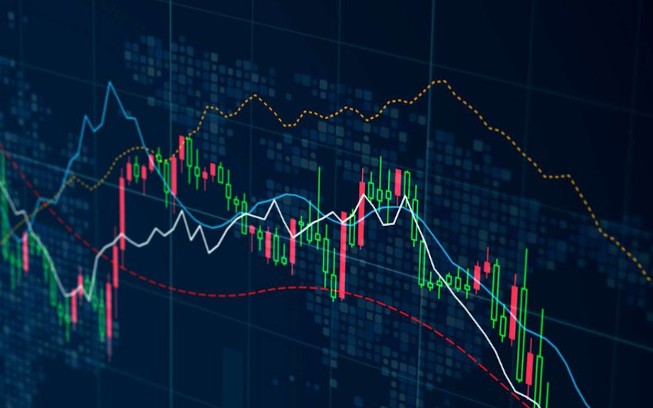
Successful forex trading relies on thorough analysis. There are two primary types of analysis used by traders: fundamental analysis and technical analysis. Fundamental analysis involves evaluating economic indicators, political events, and overall market sentiment to forecast currency movements. For instance, key economic reports such as GDP growth, employment data, and inflation rates can significantly influence currency values.
Technical analysis, on the other hand, focuses on price action and chart patterns. Traders use various indicators, such as Moving Averages, Relative Strength Index (RSI), and Fibonacci retracements, to identify potential entry and exit points. Combining both analysis techniques can enhance trading strategies, helping traders to make more informed decisions and manage risks effectively.
Trading Strategies
There are numerous trading strategies in the forex market, each with its own advantages and disadvantages. Here are a few popular approaches:
- Day Trading: This strategy involves opening and closing positions within the same trading day, allowing traders to capitalize on short-term price movements. Day traders often use technical analysis to make quick decisions.
- Swing Trading: Swing traders hold positions for several days or weeks, aiming to profit from longer-term market trends. This strategy requires a good understanding of technical indicators and patience.
- Scalping: Scalping is a high-frequency trading strategy where traders take advantage of small price movements by making numerous trades throughout the day. This approach requires quick decision-making and significant market knowledge.
- Position Trading: This long-term strategy involves holding positions for extended periods, typically based on fundamental analysis. Position traders look for significant trends and events that affect currency values over weeks or months.
The Role of Technology in Forex Trading
The rise of technology has revolutionized forex trading. Online trading platforms and mobile applications have made it easier for traders to access the market from anywhere in the world. These platforms offer various tools and resources, including real-time market data, charting capabilities, and automated trading features.

Moreover, advancements in algorithms and artificial intelligence (AI) have led to the development of algorithmic trading systems. These systems can execute trades at lightning speed based on predefined criteria, allowing traders to leverage market inefficiencies and react quickly to price changes.
Risks Involved in Forex Trading
While the potential for profit in forex trading is enticing, it comes with significant risks. Some common risks include:
- Market Risk: The forex market is inherently volatile, and exchange rates can fluctuate rapidly due to economic events, geopolitical developments, or market sentiment.
- Leverage Risk: Many forex brokers offer high leverage, allowing traders to control large positions with relatively small amounts of capital. While leverage can amplify profits, it can also magnify losses, leading to rapid account depletion.
- Interest Rate Risk: Changes in interest rates can significantly impact currency values. A rise in interest rates typically strengthens a currency, while a decrease may weaken it.
- Liquidity Risk: While the forex market is generally liquid, certain pairs or times of day may experience lower liquidity, leading to slippage or increased spreads.
Conclusion
Global forex trading offers immense opportunities for profit, but it is also fraught with challenges and risks. By understanding the mechanics of the market, employing effective analysis techniques, and developing sound trading strategies, traders can navigate this dynamic landscape. As technology continues to evolve, so too will the opportunities and tools available to traders. Embracing these advancements can empower individuals to become more successful in the forex market, whether they are beginners or seasoned professionals.
Ultimately, the key to success in forex trading lies in education, practice, and risk management. By continually learning and adapting to market changes, traders can enhance their skills and improve their chances of achieving their trading goals.


